Tell us about the job
Takes about a minute. No obligation.

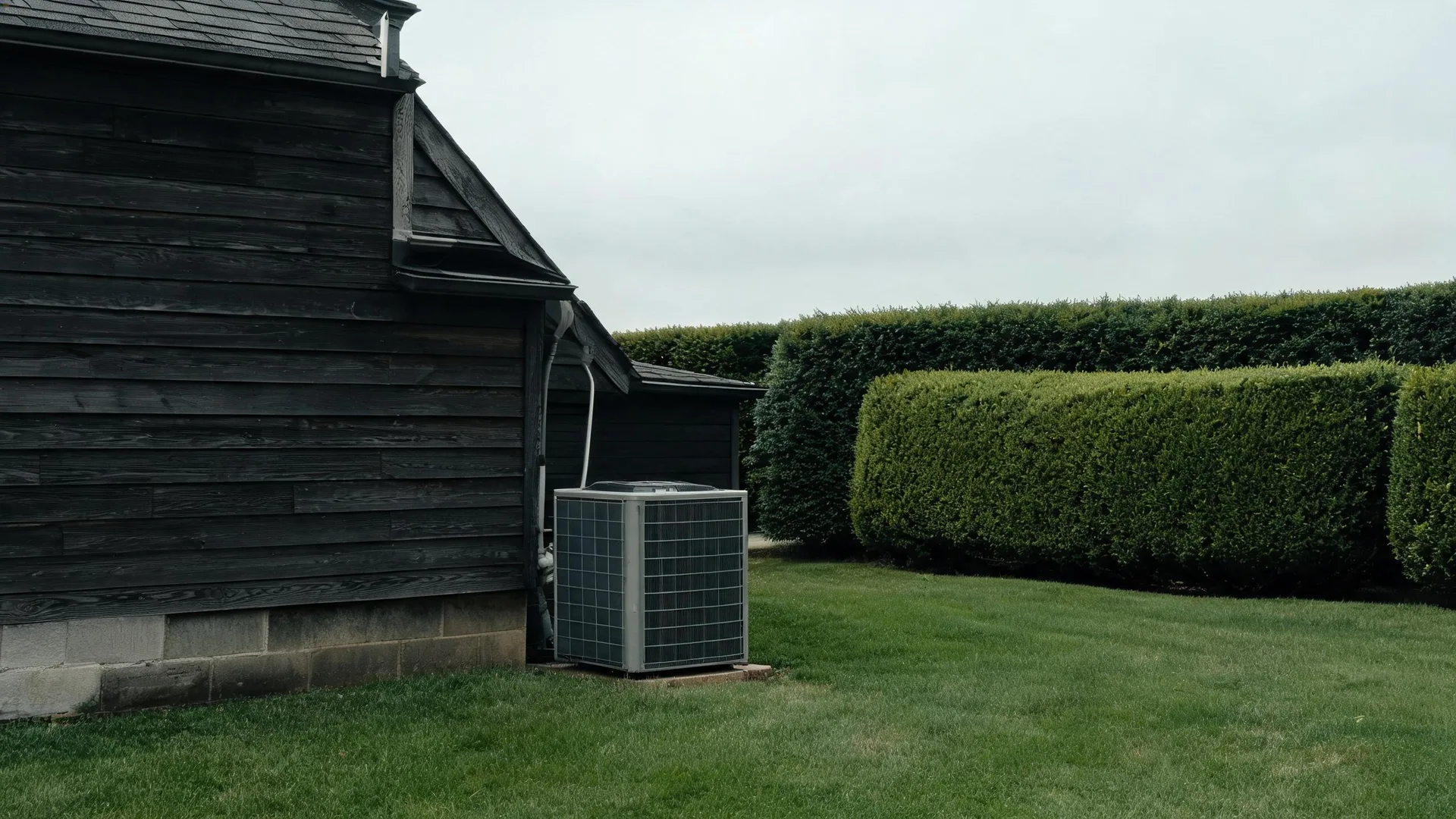
A compressor that stops working in July may have been sitting untouched since the previous summer ended. Homes in Western Connecticut Planning Region, CT run cooling about two months a year, from July through August. Contactors corrode in storage, capacitors weaken without regular cycling, and refrigerant leaks that opened during the off-season go undetected until the first hot day. A contractor arriving at that call checks whether the failure developed during the idle months or compounded over seasons of runtime, because the two conditions point to different parts and different bills.
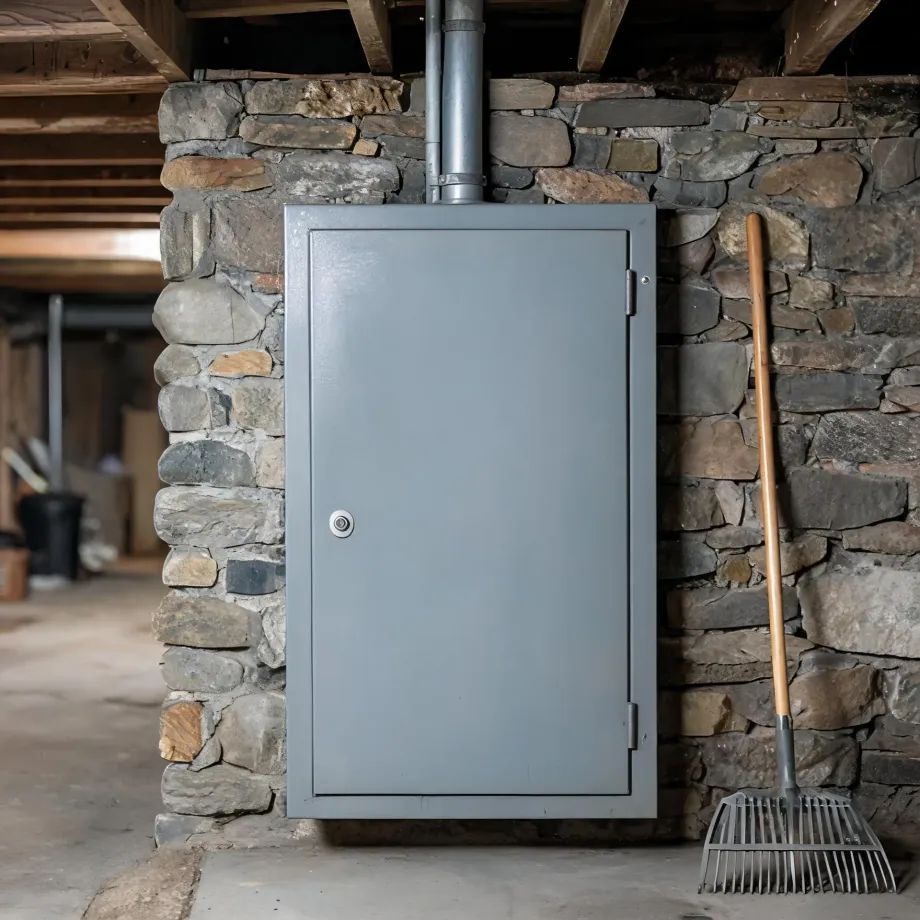
Ductwork in a house that has carried multiple systems across its life accumulates repairs, patches, and adaptations that only show up once a contractor is inside. Half the homes in Western Connecticut Planning Region, Connecticut were built in 1971 or earlier (2020-2024 ACS 5-year). That history matters for repair work specifically: a system running in housing this old may take components that manufacturers have discontinued or supply on long lead times, which changes what a repair costs and how long it takes to finish. What the opened unit actually contains, and whether the parts it needs are still made, is what decides the job.
The Parts of a Central AC a Contractor Checks First
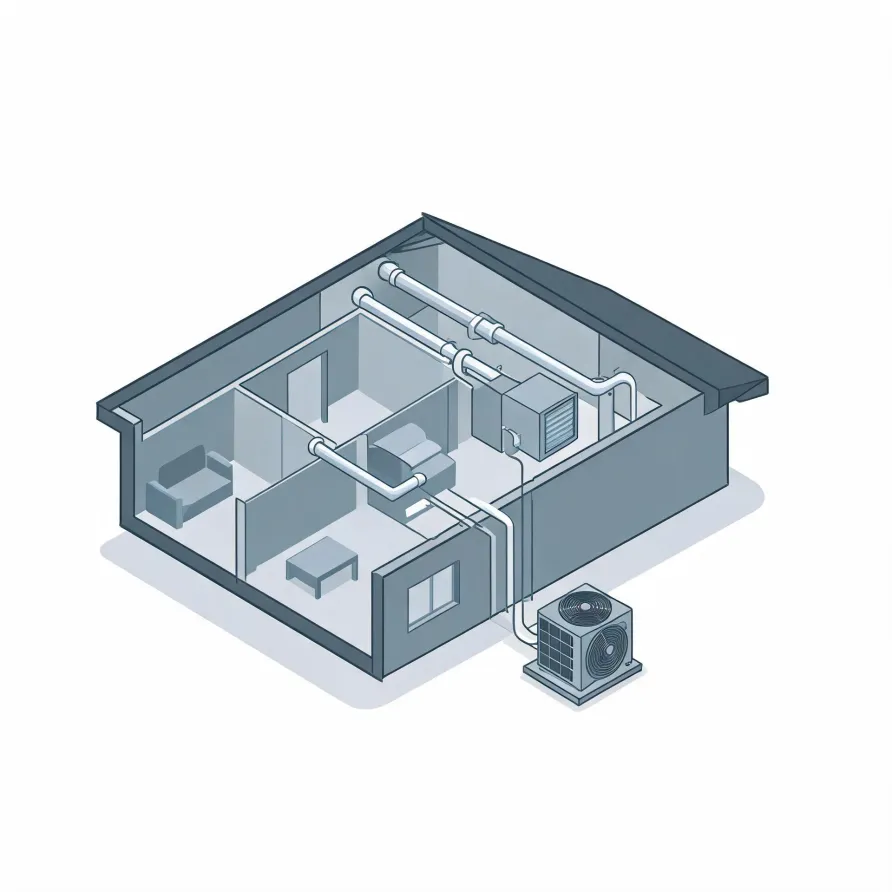
The outdoor condenser unit sits outside the house, usually on a concrete pad beside the foundation, and it is where heat gets released. The indoor air handler or furnace-based evaporator coil sits inside, typically in a basement or utility closet, and it is the piece that cools the air moving through the system. When cooling fails or weakens, these two units are where a contractor starts.
The refrigerant lines run between the indoor and outdoor units, carrying the fluid that makes cooling possible, and a leak or blockage there shows up fast in how the system performs. The thermostat sits on an interior wall and controls the whole sequence. The disconnect box and service valves near the outdoor unit give a contractor access to test pressures, check electrical connections, and isolate components during diagnosis.
The drawing shows a typical central AC layout, and a licensed contractor assesses what applies to your specific home and equipment.
Find a contractor in Western Connecticut Planning RegionWestern Connecticut Planning Region, by the numbers
Half the homes in Western Connecticut Planning Region, Connecticut were built in 1971 or earlier (2020-2024 ACS 5-year).
U.S. Census Bureau, 2020-2024 American Community Survey 5-Year EstimatesWestern Connecticut Planning Region, Connecticut holds 251,530 housing units (2020-2024 ACS 5-year).
U.S. Census Bureau, 2020-2024 American Community Survey 5-Year EstimatesOwners occupy 66.4% of the occupied homes in Western Connecticut Planning Region, Connecticut (2020-2024 ACS 5-year).
U.S. Census Bureau, 2020-2024 American Community Survey 5-Year EstimatesCodes & Standards for Central AC Repair in Western Connecticut Planning Region, Connecticut9 sourced rules and standards
What HVAC Repair Looks Like in Western Connecticut
Split-system central air conditioners rated below 45,000 Btu/h manufactured on or after January 1, 2023 must meet a federal minimum of 13.4 SEER2.
Split-system central air conditioners rated at or above 45,000 Btu/h manufactured on or after January 1, 2023 must meet a federal minimum of 13.4 SEER2.
Split-system central air conditioners manufactured between January 1, 2015 and December 31, 2022 had to meet 13 SEER, the metric that preceded SEER2.
Single-package central air conditioners manufactured on or after January 1, 2023 must meet a federal minimum of 13.4 SEER2.
Space-constrained central air conditioners manufactured on or after January 1, 2023 must meet a federal minimum of 11.7 SEER2.
Federal efficiency standards for split-system central air conditioners and heat pumps are set on each certified combination of outdoor unit and indoor coil rather than on the outdoor unit alone.
Residential and light commercial air conditioning and heat pump systems assembled in the field, including mini-splits and unitary systems, may not be installed on or after January 1, 2025 using a refrigerant with a global warming potential above 700.
A field-assembled system whose specified components were all manufactured or imported before January 1, 2025 carries no installation compliance date under the refrigerant restrictions and may still be installed.
What Connecticut Law Requires in Western Connecticut Planning Region
Connecticut requires a state licence to perform, or to advertise, heating, piping and cooling work: no person may practise an occupation this chapter covers without first obtaining one.